
Restoring Function. Embracing Life.
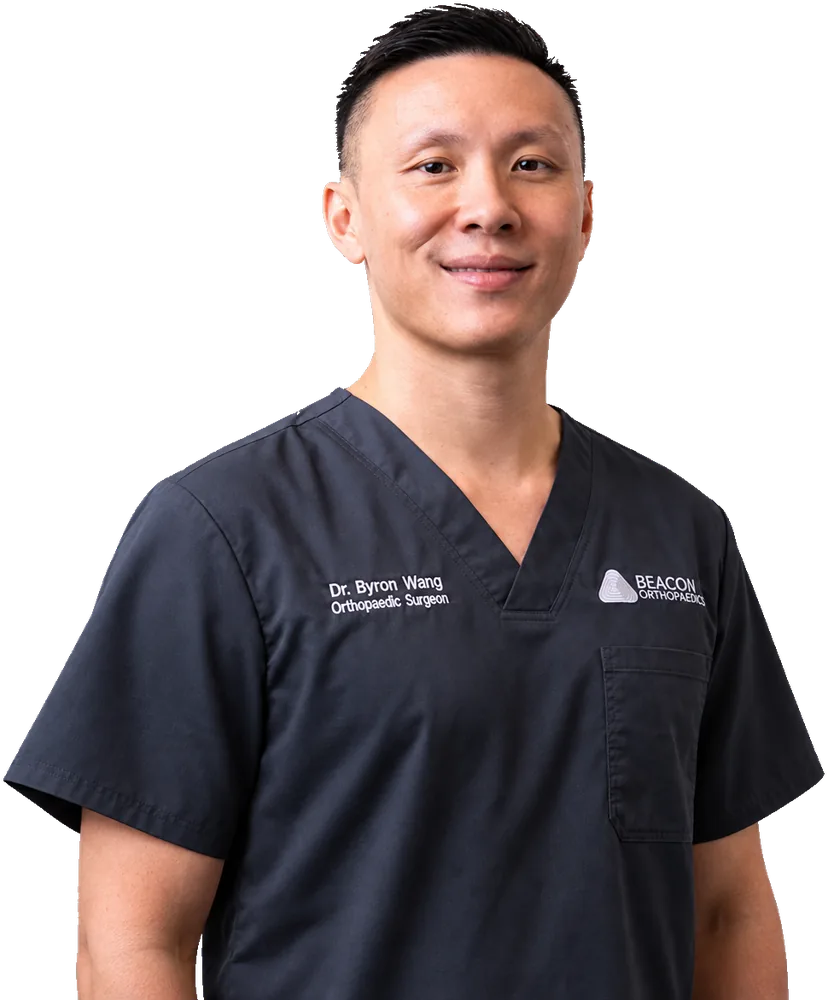
Dr Bryan Wang
Consultant Orthopaedic Surgeon
Trusted Orthopaedic Surgeon | Fellowship-trained in Canada | With over 20-years of experience
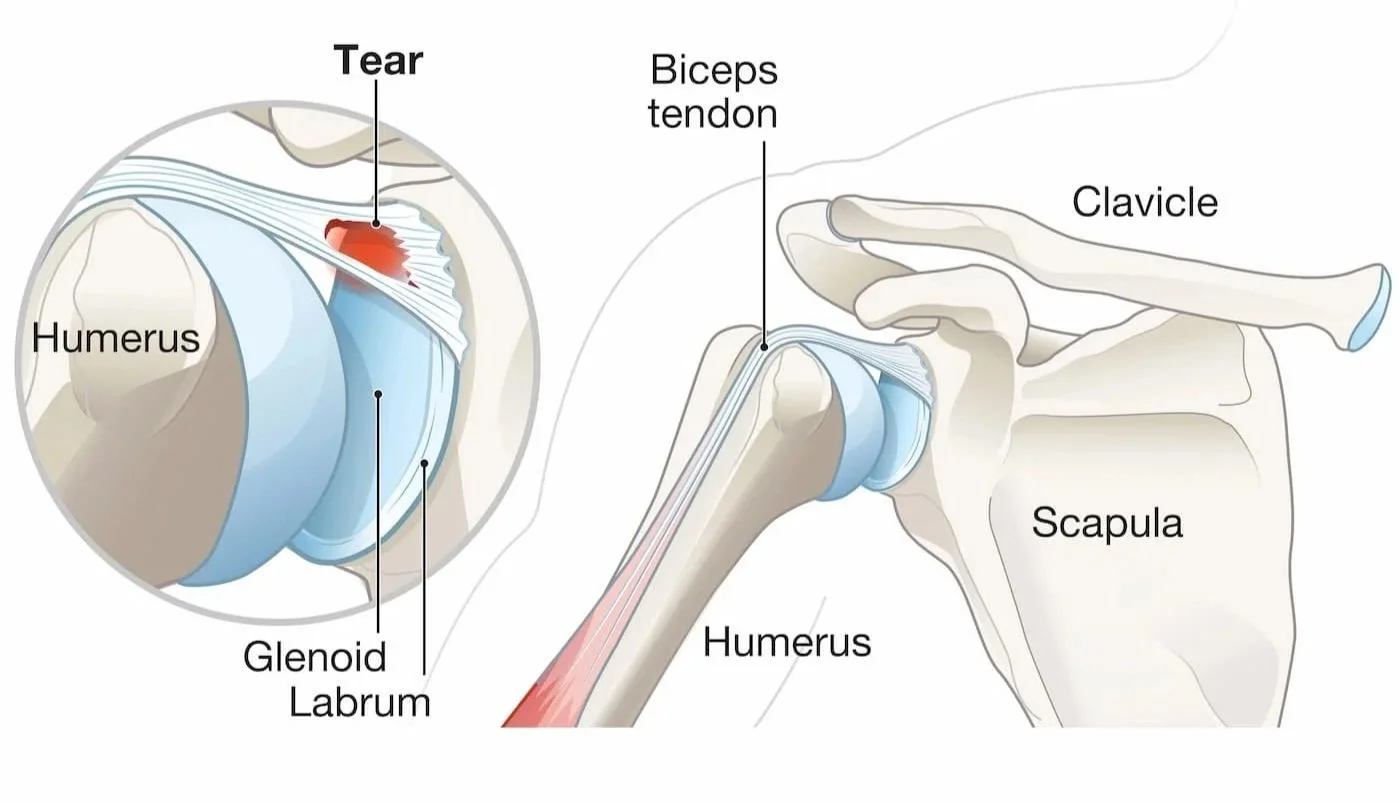
A posterior labral tear is tear of the back (posterior) rim of the glenoid labrum, often from contact sports, bench press, a fall on an outstretched hand (FOOSH Injury), or seizures. A similar condition called Reverse Bankart lesion is a tear of the back-bottom (posterior–inferior) part of the glenoid labrum.
Both of these posterior labral tears can cause deep pain at the back of the shoulder, posterior instability (the ball of the humerus slips backward), clicking, and a sense that the shoulder might “slide out” during bench press, push-ups, tackles, or seizures/electric shock injuries.
Diagnosis consists of specialist examination, MRI arthrogram and/or CT scan. The treatment ranges from targeted physiotherapy to arthroscopic posterior labral (Reverse Bankart) repair, with bone repair procedures considered if there is glenoid bone loss.
The shoulder’s glenoid labrum is a tough cartilage rim that deepens the socket and anchors the capsulolabral complex. Posterior labral tears commonly occur due to repetitive bench pressing, recurrent heavy weightlifting, contact impact, or a sudden posterior force. The shoulder may feel as if it wants to “slide out” backwards. This pattern can occur alone, or alongside other injuries such as a Reverse Bankart lesion (where there is a tear of the posterior-inferior labrum) or in anterior injuries like Bankart, bony Bankart, and Hill-Sachs (more typical with anterior dislocations).
Want the full overview of labral injuries? See our pillar page: Shoulder Labral Tears & Instability
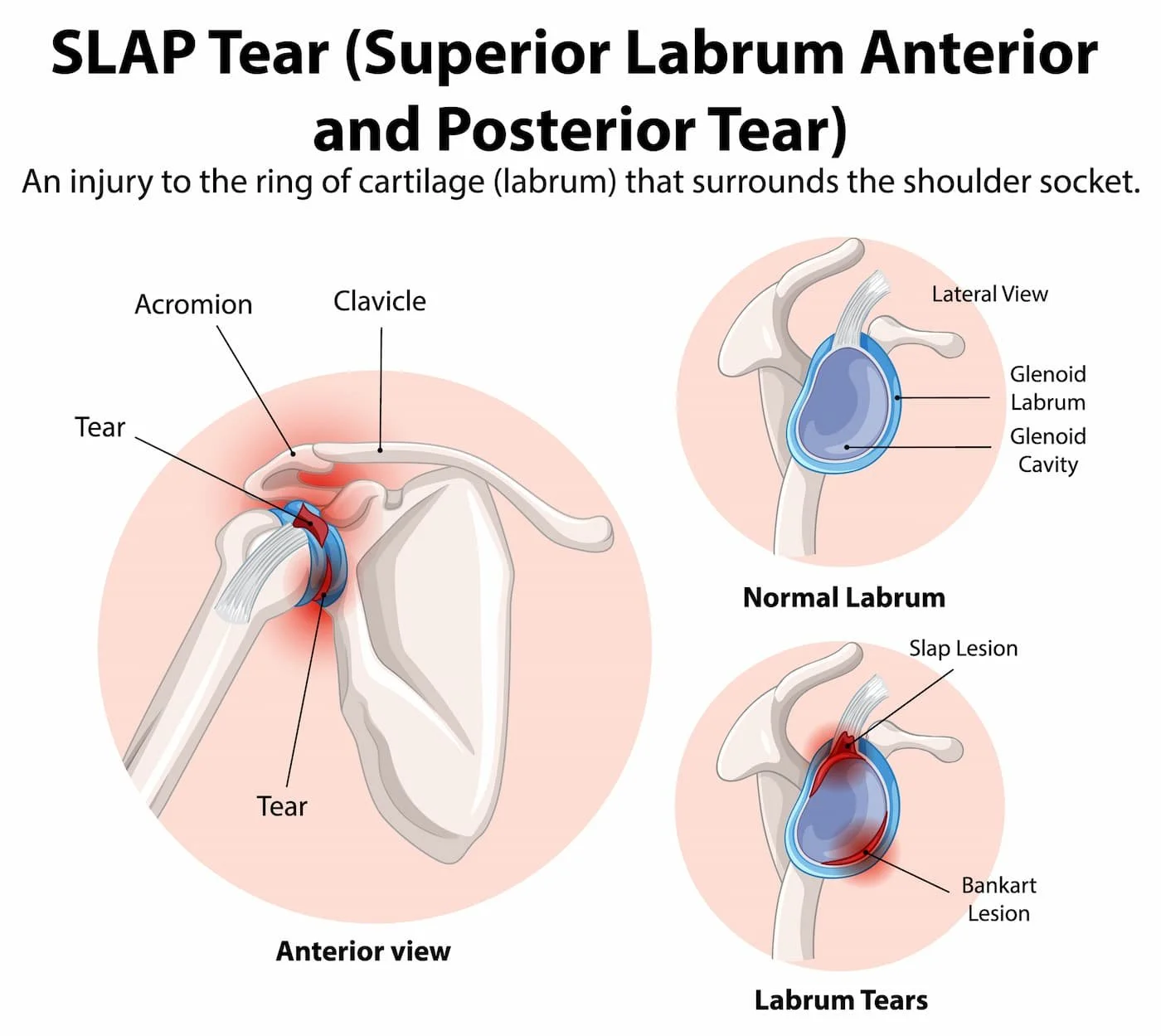
Patients with shoulder instability from posterior dislocation may present with the following symptoms:
You might need to seek urgent care under a shoulder specialist or in the Accident and Emergency Department if there is:
Many patients who sustain a posterior shoulder dislocation may also sustain a Reverse Bankart lesion. The following procedures may help in diagnosing a Posterior Labral Tear and/or a Reverse Bankart Lesion.
History Taking & Examination by Our Specialist
Your sports shoulder specialist will take a
Diagnostics and imaging
Most patients start with non-surgical care; surgery is considered when symptoms persist, or performance goals require it.
It is important to note that many recreational athletes improve with structured rehab.
Surgery is considered for persistent symptoms, recurrent instability, high-demand sport, or when imaging shows structural risk factors.
| Scenario | Typical Approach |
| Symptomatic Reverse Bankart without bone loss | Arthroscopic posterior labral (Reverse Bankart) repair – capsular plication |
| Posterior labral tear with significant posterior bone loss | Consider posterior bone-block/graft procedure |
| Combined anterior + posterior pathology | Combined stabilisation (e.g., posterior repair + address anterior injury; Remplissage/Latarjet if indicated for anterior lesions) |
| Where is the tear? | Typical Mechanism | Common Associated Injury | |
| Posterior Labral Tear | Back of labrum | Pressing/ contact, posterior force, seizures | Posterior laxity; may coexist with reverse Bankart |
| Reverse Bankart | Posterior-inferior labrum | Posterior dislocation/ subluxation | Posterior bone loss possible |
| Bankart | Antero-inferior labrum | Anterior dislocation | Hill-Sachs, Bony Bankart |
| SLAP Tear | Superior labrum at biceps anchor | Overhead sport/ traction | Biceps symptoms, top-labrum pain |
See our dedicated guides: Shoulder Arthroscopy Recovery and Post-Shoulder Surgery Rehab
At Beacon Orthopaedics, you can book directly with our shoulder dislocation specialist for rapid evaluation and a personalised plan.
Read more about Shoulder Labral Tears & Instability and other shoulder specific conditions such as Bankart lesion and SLAP Lesion.
If you’re experiencing recurrent shoulder dislocations, pain after overhead activity, or suspect a labral tear, book an appointment with Beacon Orthopaedics, Singapore.
Early, accurate diagnosis and a structured plan can get you back to work, sport, and daily life with confidence.
They’re closely related; Reverse Bankart typically refers to a posterior-inferior detachment seen with posterior dislocation. Many clinicians group it under the umbrella of posterior labral tears.
Heavy or poorly controlled bench press/push loading can stress the back of the labrum, especially if there is underlying laxity or a prior injury.
No. Many improve with targeted physiotherapy and sport-specific modifications. Surgery is considered for recurrent instability, persistent pain, performance-limiting symptoms or when imaging shows structural risk factors.
An MRI arthrogram offers the clearest view of the capsulolabral complex and associated injuries.
Usually via arthroscopic repair using small suture anchors to reattach the posterior labrum; capsular plication may be added to address laxity.
That suggests combined (bidirectional) instability. Your surgeon may address both sides in the same setting—e.g., posterior repair plus anterior remplissage/Latarjet if indicated.
In the private clinic pathway, you can book directly with a specialist. (Insurance or employer plans may have their own requirements.)
If you are unable to find your questions in our FAQs, we welcome you to drop us a message or call us at 9066 8680 to speak directly to our clinic nurse.
Medically reviewed by: Dr Bryan Wang, Consultant Orthopaedic Surgeon, Beacon Orthopaedics (Shoulder & Elbow, Knee & Sports Injuries; fellowship-trained; >20 years’ experience). Last reviewed: September 2025.
Educational content only; not a substitute for personal medical advice. For a diagnosis and tailored plan in Singapore, book an appointment with our team.
References