
Restoring Function. Embracing Life.
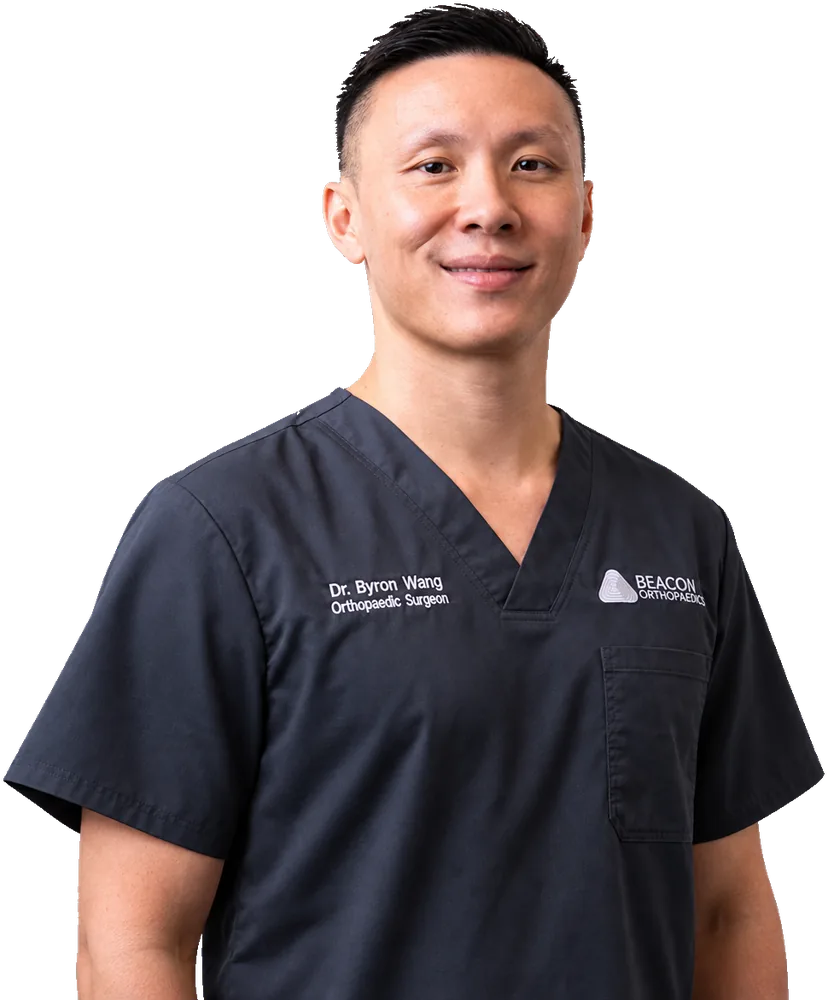
Dr Bryan Wang
Consultant Orthopaedic Surgeon
Trusted Orthopaedic Surgeon | Fellowship-trained in Canada | With over 20-years of experience
Bankart lesion, a tear in the front-lower labrum of the shoulder often affects athletes in overhead or contact sports, leading to pain, clicking, and a feeling that the shoulder may “pop out.” Diagnosis involves physical tests and imaging such as MRI or X-rays. Mild cases may respond to physiotherapy, while recurrent or severe injuries often require arthroscopic repair or procedures like remplissage or Latarjet. However, with guided rehabilitation, most patients regain shoulder stability and return to sports or normal activities within four to six months.
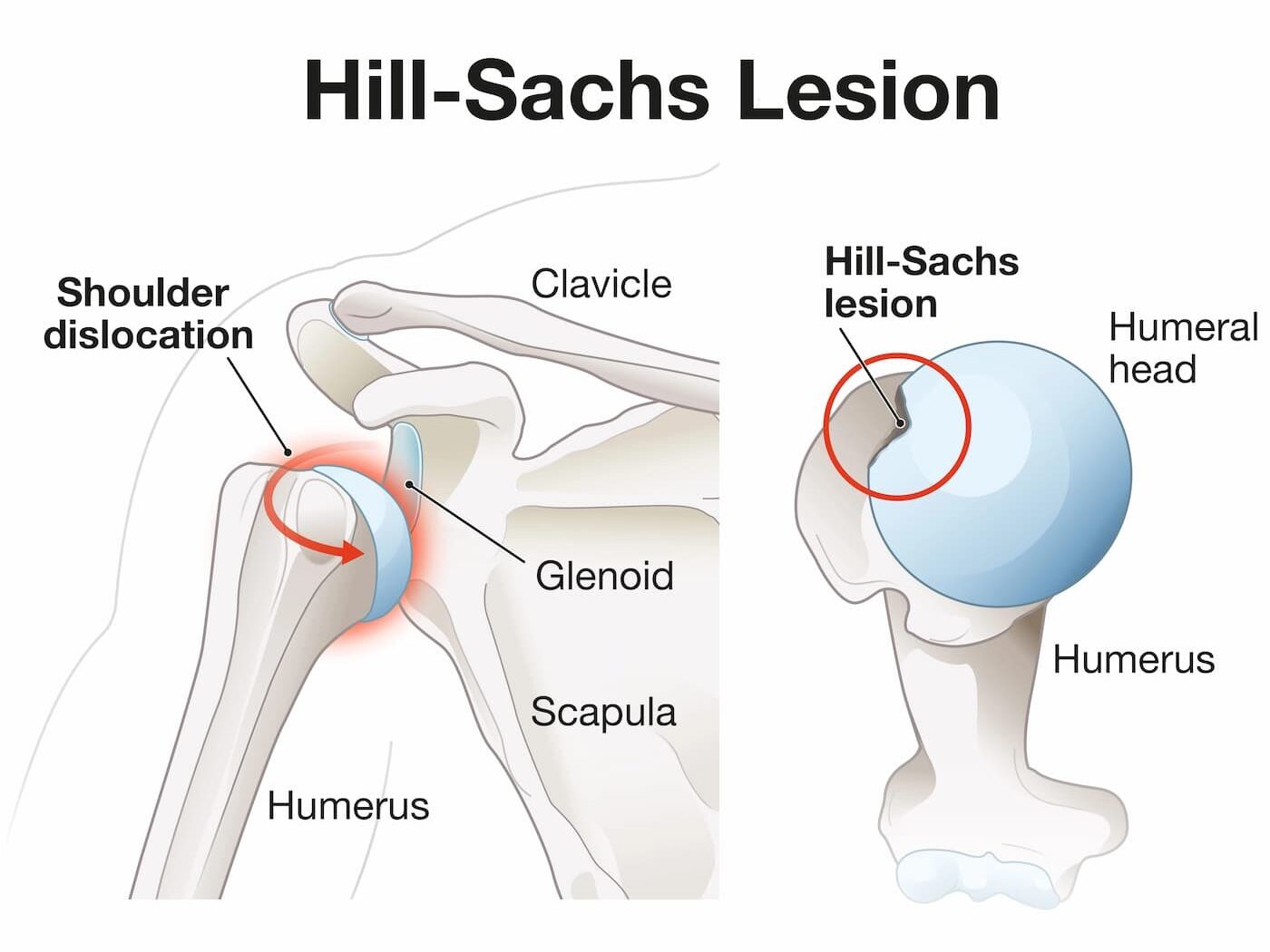
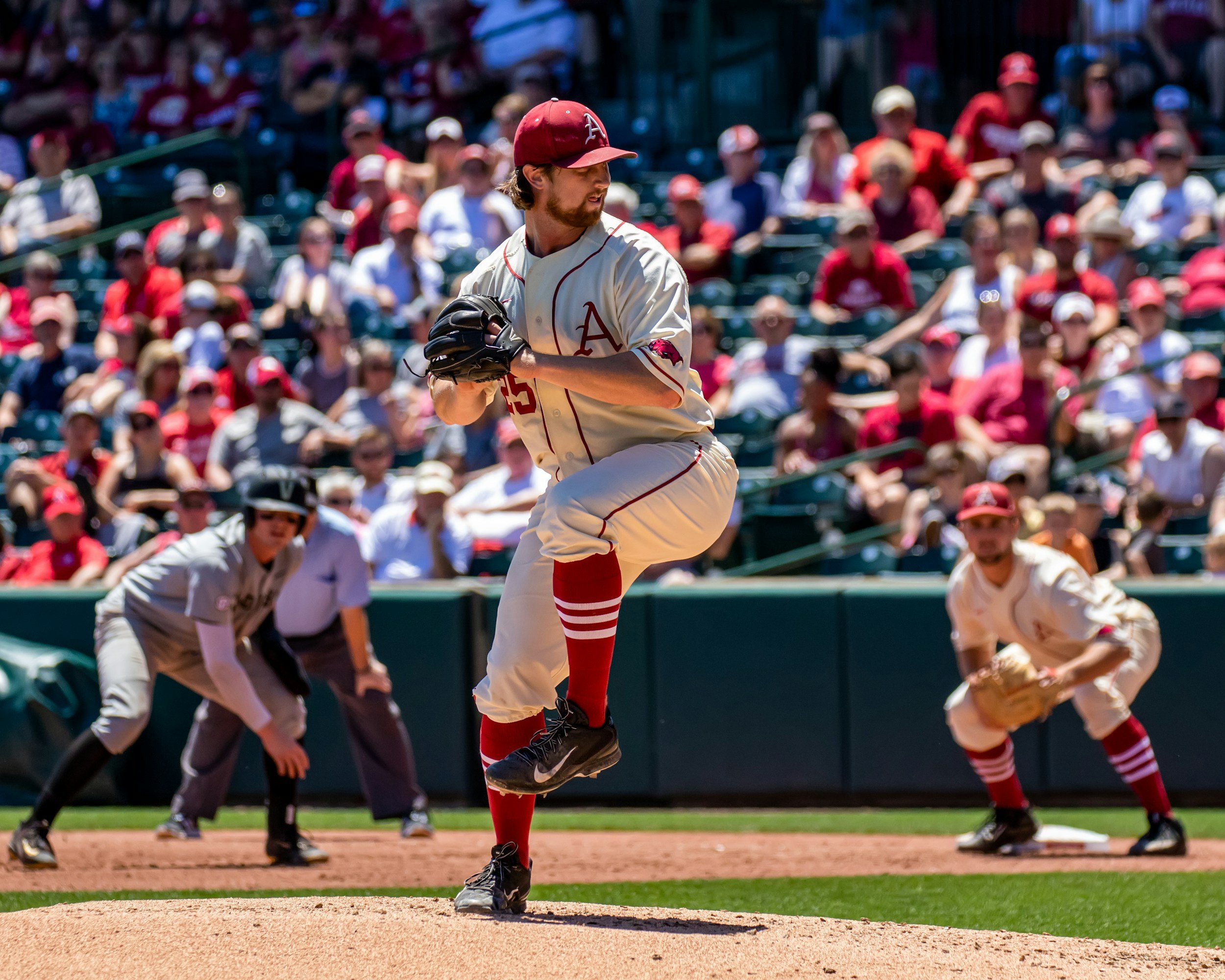
A Bankart lesion is a tear of the front-lower (anteroinferior) part of the shoulder’s labrum — the ring of cartilage that stabilizes the joint. It commonly occurs after an anterior shoulder dislocation or repeated partial dislocations. When the shoulder slips forward, this motion can peel the labrum off the socket rim – this is a Bankart Lesion. The injury is frequent among athletes in overhead or contact sports such as volleyball, tennis, and handball. Patients often feel the shoulder “wants to pop out,” especially when the arm is raised and rotated outward (as in throwing). Bankart lesions often coexist with a Hill-Sachs dent on the humeral head and, if bone is chipped off the socket, a bony Bankart.
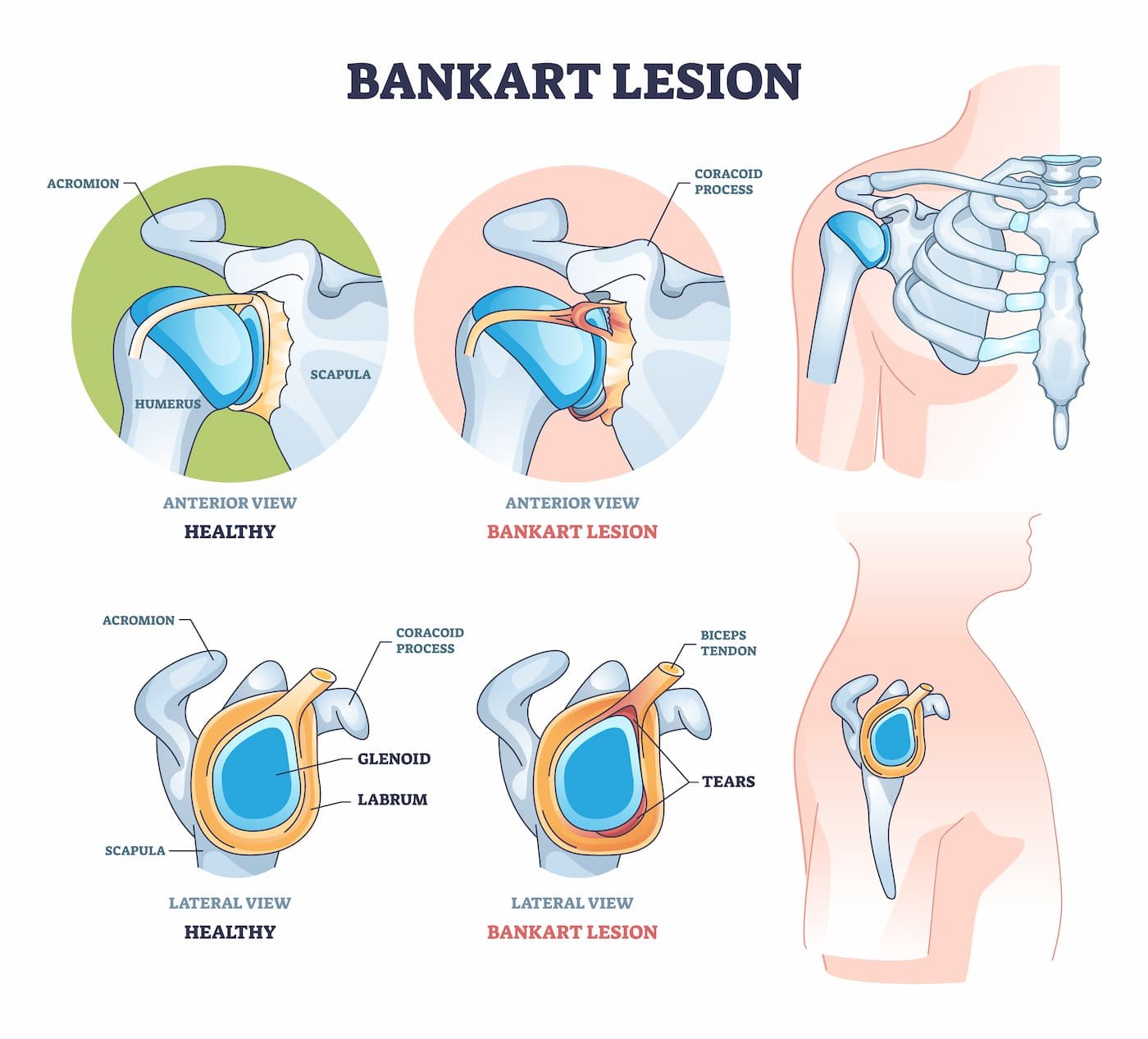
Patients with shoulder instability may present with the following symptoms:
You might need to seek urgent care under a shoulder specialist or in the Accident and Emergency Department if:
Many patients who sustain a shoulder dislocation may sustain a Bankart lesion. Although Bankart lesions often occur in patients with shoulder dislocation, they are hard to detect with only a physical examination. The following procedures may help in diagnosing a Bankart Lesion.
Specialist Physical Examination
Your sports shoulder specialist will perform instability tests (apprehension/relocation) and labral provocation tests; assessment for associated injuries.
Diagnostics and imaging
There are two treatment approaches depending on your symptoms and the surgeon’s assessment:
This is more suitable for patients who do not have recurrent shoulder dislocation and who do not play contact sports.
Patients with persistent instability, high-demand sport, or significant structural injury may need surgery which could either be an arthroscopic repair or an open surgery.
In case of a shoulder arthroscopic procedure, a typical recovery pathway would be as follows:
At Beacon Orthopaedics, you can book directly with our shoulder dislocation specialist for rapid evaluation and a personalised plan.
If you’re experiencing recurrent shoulder dislocations, pain after overhead activity, or suspect a labral tear, book an appointment with Beacon Orthopaedics, Singapore.
Early, accurate diagnosis and a structured plan can get you back to work, sport, and daily life with confidence.
No. Bankart = front-bottom labrum tear after anterior dislocation. SLAP = top labrum at the biceps anchor (front-to-back). Different symptoms and surgeries.
Not always. Some stabilise with physiotherapy and activity changes. Recurrent instability, high-demand sport, or structural risk factors often benefit from Bankart repair.
It’s a dent in the humeral head caused during dislocation. If it “engages” the socket rim, the shoulder may re-dislocate; surgeons may add remplissage to prevent engagement.
When there’s significant glenoid bone loss or a failed prior repair. Latarjet adds a bone block and a dynamic sling to resist Redislocation.
In the private clinic pathway, imaging can often be arranged within the same day or at most a couple of days so you can start rehab or plan surgery promptly (insurer/employer plan rules may apply).
Arthroscopic repair is commonly done due to lesser risks involved. However, open surgery is considered in select cases (e.g., collision athletes, revision). Your surgeon will advise based on your anatomy, sport, and bone loss.
If you are unable to find your questions in our FAQs, we welcome you to drop us a message or call us at 9066 8680 to speak directly to our clinic nurse.
Medically reviewed by: Dr Bryan Wang, Consultant Orthopaedic Surgeon, Beacon Orthopaedics (Shoulder & Elbow, Knee & Sports Injuries; fellowship-trained; >20 years’ experience). Last reviewed: January 2026.
Educational content only; not a substitute for personal medical advice. For a diagnosis and tailored plan in Singapore, book an appointment with our team.
References