
Restoring Function. Embracing Life.
Dr Bryan Wang
Consultant Orthopaedic Surgeon
Trusted Orthopaedic Surgeon | Fellowship-trained in Canada | With over 20-years of experience
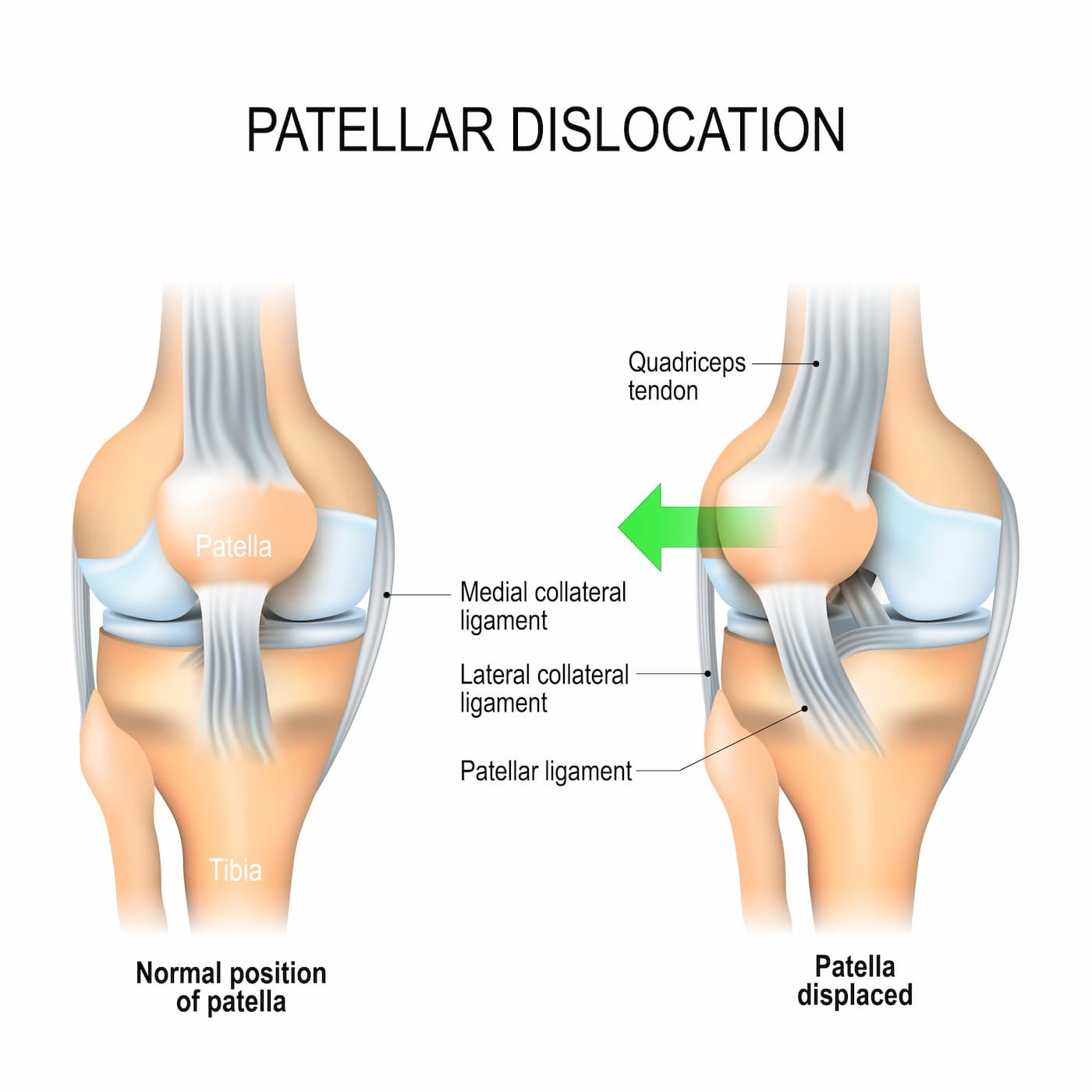
Patella instability, also known as patellar subluxation or dislocation, occurs when the kneecap (patella) shifts out of its normal position within the femoral groove. This condition can range from mild subluxation, where the patella partially moves out of place, to full dislocation, where it completely leaves the groove.
Patella instability can result from various factors, including:
Common symptoms of patella instability include:
If you have any of the symptoms above, it is advisable to see an orthopaedic specialist for further assessment.
Our doctor will conduct a thorough physical examination, paying attention to the alignment and stability of the patella.
Treatment for patella instability depends on factors such as the severity of the condition and the patient's activity level. If you have any of the symptoms above, it is advisable to see an orthopaedic specialist for further assessment.
The appropriate treatment is decided after assessment and a collaborative discussion based on your needs. They can be broadly divided into conservative (non-surgical) and surgical options.
Conservative Treatment:
Rest, ice, elevation, and physical therapy to improve muscular strength and balance.
Bracing:
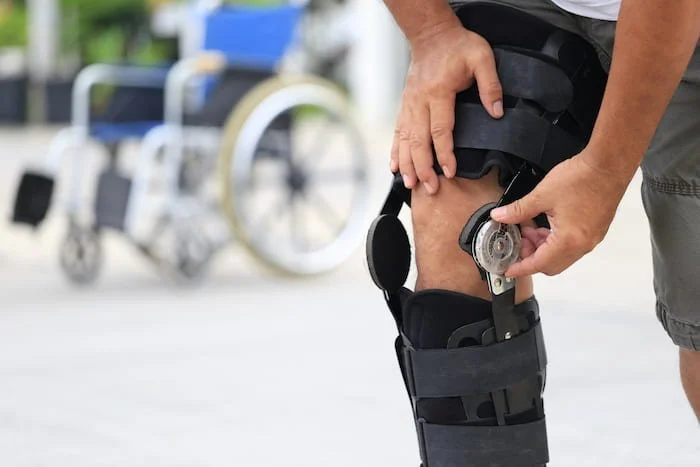
Using a knee brace or strap to stabilize the patella and prevent further displacement.
Physiotherapy:
Doing targeted strengthening exercises such as quadriceps, hip/core, and stretching tight lateral structures.
For recurrent or severe cases, surgical procedures like medial patellofemoral ligament (MPFL) reconstruction – to rebuild the torn stabilising ligament, or tibial tubercle osteotomy – to realign patella pull by shifting attachment point may be considered.
Our specialist will be with you every step of way to ensure a seamless surgical and recovery journey.