Restoring Function. Embracing Life.
Dr Bryan Wang
Consultant Orthopaedic Surgeon
Trusted Orthopaedic Surgeon | Fellowship-trained in Canada | With over 20-years of experience
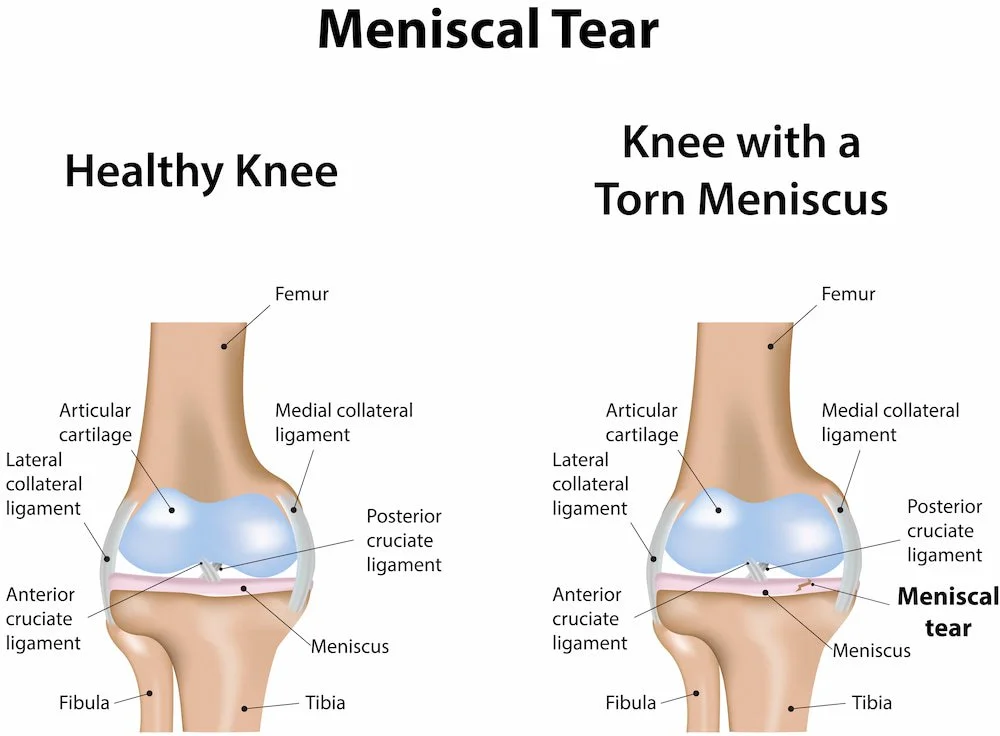
The meniscus is a C-shaped piece of cartilage located between the thighbone (femur) and the shinbone (tibia) in the knee joint. Its primary role is to provide stability, cushioning, and load distribution during movement. A meniscus tear occurs when this cartilage is damaged due to sudden twisting, pivoting, or impact.
To reduce the risk of meniscus tears, consider these preventive measures:
Meniscus tears can result from various factors, including:
Common symptoms of a meniscus tear include:
Clinical assessment will include taking a detailed history and a thorough physical examination of your knee.
Further imaging tests like X-rays, MRI scans and ultrasound scans may occasionally be required. MRI scan is often recommended to detect any possible meniscus tear.
Treatment for a meniscus tear depends on factors like the tear's location, size, and the patient's activity level. If you have any of the symptoms above, it is advisable to see an orthopaedic specialist for further assessment.
The appropriate treatment is decided after assessment and a collaborative discussion based on your needs. They can be broadly divided into conservative (non-surgical) and surgical options.
Rest, ice, compression, elevation, and anti-inflammatory medications can help manage pain and swelling. Physical therapy exercises can strengthen surrounding muscles, and improve knee strength and stability.
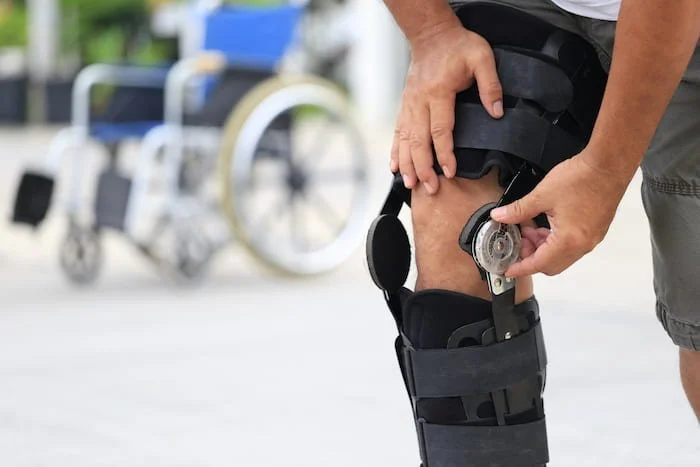
Knee brace are sometimes prescribed to stablise the knee.
Minimally Invasive Procedures:
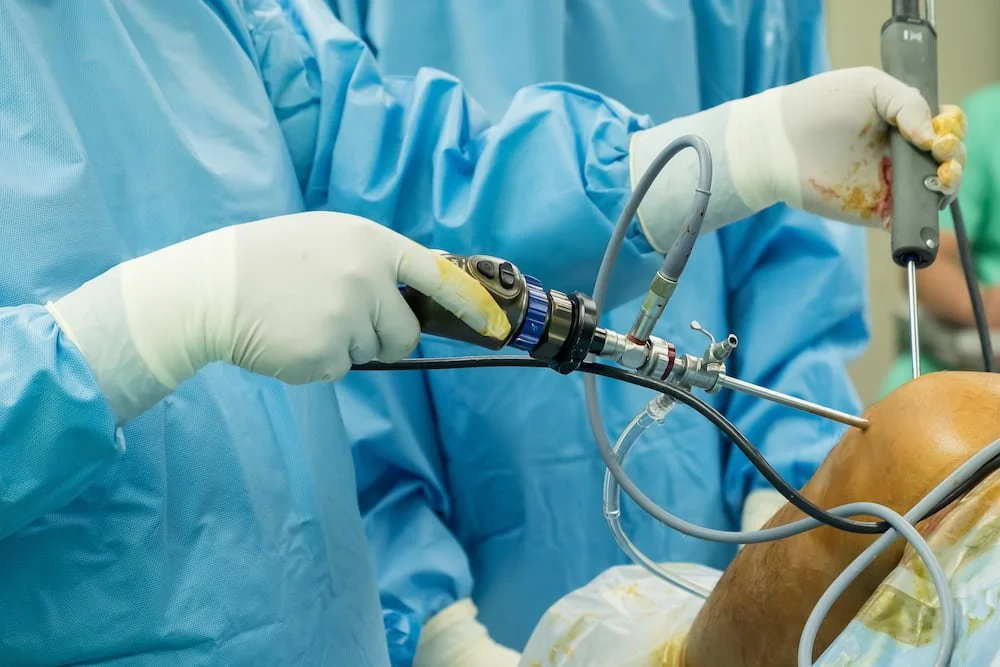
Arthroscopic meniscus repair may be recommended for larger or more complex tears. The surgeon can repair or trim the torn meniscus through small incisions. Small incisions are made, a camera and instruments are inserted, and the torn meniscus edges are stitched together. As it is generally done in a keyhole fashion, recovery is faster for patients.
This procedure can help preserve the meniscus to maintain knee shock absorption and prevent early arthritis.
Surgical Repair:
In certain cases, surgical repair of the torn meniscus may be possible, particularly for tears located in the outer portion with a good blood supply.
Meniscectomy:
Partial removal of the damaged meniscus may be necessary for irreparable tears or when the torn portion causes persistent symptoms. This is done while leaving as much healthy meniscus as possible. It serves to relieve symptoms while maintaining meniscus function.