Restoring Function. Embracing Life.
Dr Bryan Wang
Consultant Orthopaedic Surgeon
Trusted Orthopaedic Surgeon | Fellowship-trained in Canada | With over 20-years of experience
A knee fracture refers to a break or crack in one or more of the bones that make up the knee joint. The knee joint is a complex structure involving the femur (thighbone), tibia (shinbone), and patella (kneecap). Fractures in any of these bones can occur due to various causes, including falls onto a bent knee, accidents, direct impact to the knees such as in sports-related collisions, or high-energy trauma like motor accidents or fall from a height.
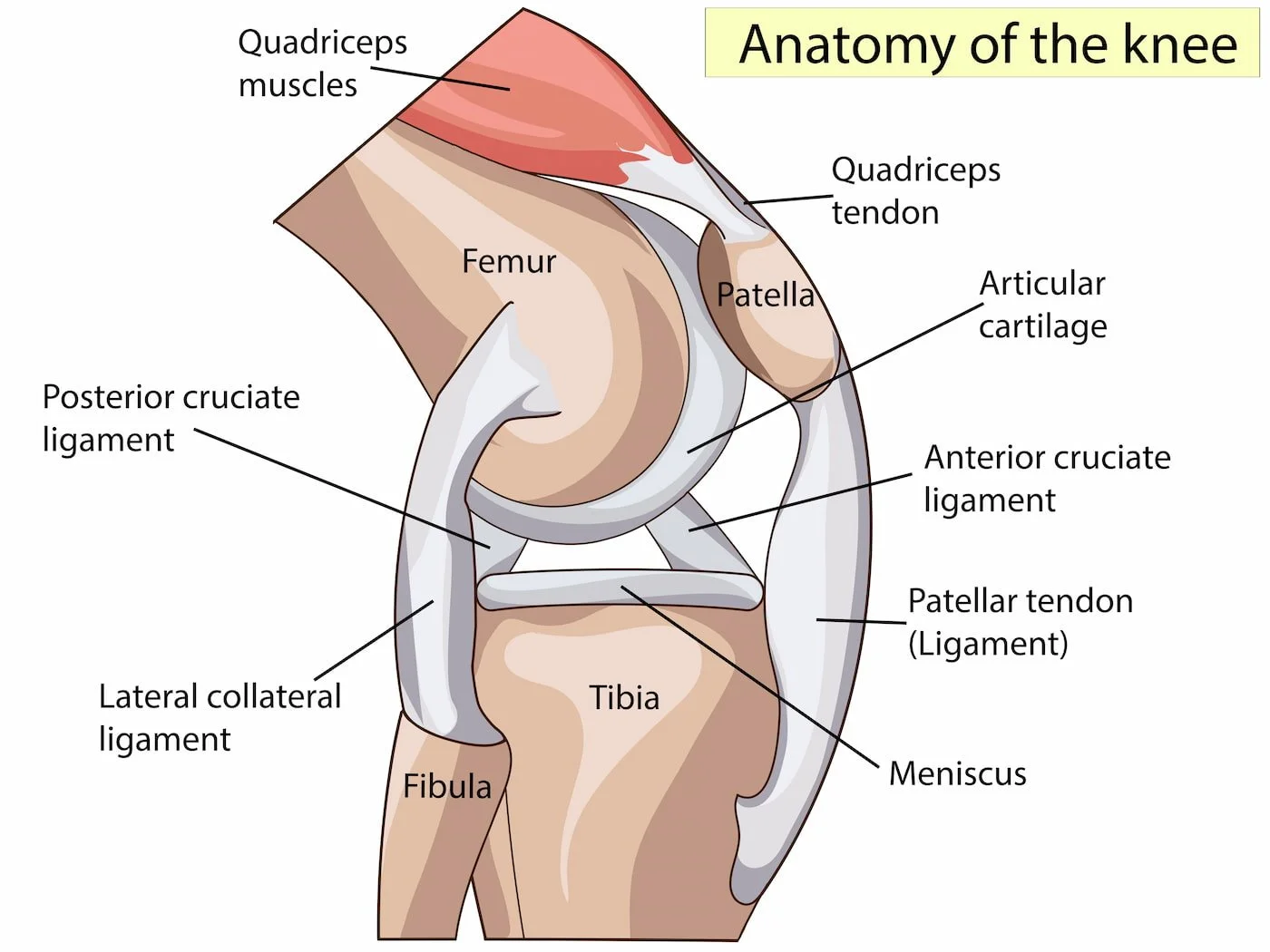
Common types of knee fractures include:

Common symptoms of a knee fracture include:
Dr Bryan will conduct a physical examination and order of X-rays to confirm the diagnosis, identify fracture pattern, and determine if there are any associated injuries.
CT scan maybe be ordered for detailed 3D view of complex fractures.
If soft tissues or ligament injuries are suspected, our knee surgeon may order MRI scan to assess the injuries.
Treatment for a knee fracture depends on factors such as the type of fracture, its location, and the patient's overall health. If you have any of the symptoms above, it is advisable to see an orthopaedic specialist for further assessment.
The appropriate treatment is decided after assessment and a collaborative discussion based on your needs. They can be broadly divided into conservative (non-surgical) and surgical options.
When knee fracture is displaced, unstable or joint surface involved, surgical intervention will be recommended for optimal healing. Surgery involves realigning the bone fragments and using plates, screws, or other hardware to stabilise them.
Surgical treatment includes: