
Restoring Function. Embracing Life.
Dr Bryan Wang
Consultant Orthopaedic Surgeon
Trusted Orthopaedic Surgeon | Fellowship-trained in Canada | With over 20-years of experience
Cartilage is a tough, flexible tissue that covers the ends of bones in joints, providing a smooth surface for movement and acting as a shock absorber. Cartilage injuries can range from minor tears to more significant damage, impacting joint function and comfort.
Cartilage injuries can result from various factors, including:
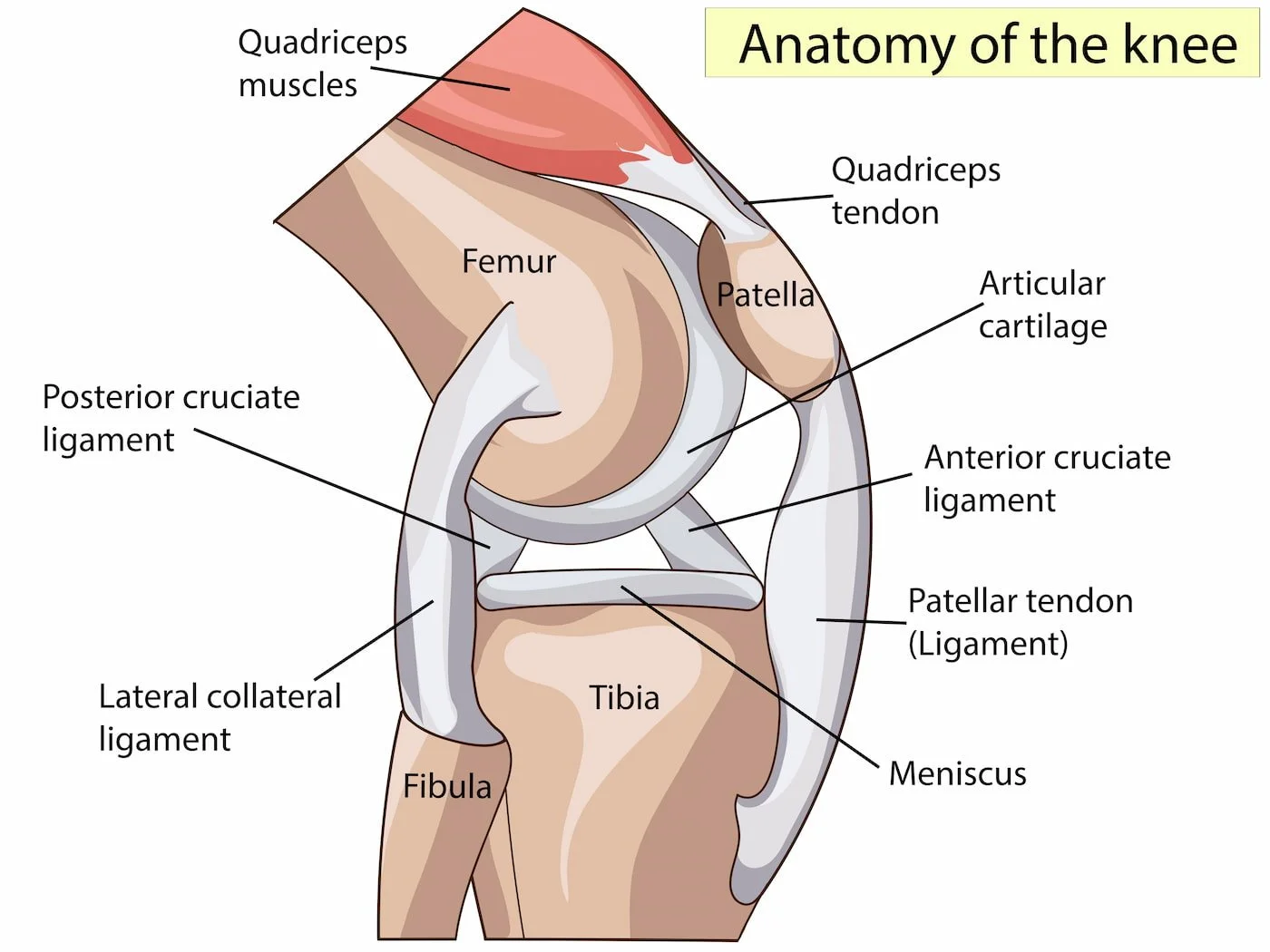
Common symptoms of a cartilage injury include:
If you have any of the symptoms above, it is advisable to see an orthopaedic specialist for further assessment.
Dr Bryan will conduct physical examination to assess any swelling,
The appropriate treatment is decided after assessment and a collaborative discussion based on your needs. They can be broadly divided into conservative (non-surgical) and surgical options.

Treatment for a cartilage injury depends on factors such as the location, size, and severity of the damage. If you have any of the symptoms above, it is advisable to see an orthopaedic specialist for further assessment.
The appropriate treatment is decided after assessment and a collaborative discussion based on your needs. They can be broadly divided into conservative (non-surgical) and surgical options.
Rest and Activity Modification:
Giving the affected joint time to heal through reduced activity and weight-bearing.
Physical Therapy:
Targeted exercises can help improve joint stability, strength, and range of motion.
Medications:
Pain relievers and anti-inflammatory drugs may help manage discomfort and swelling.
Injections:
In some cases, corticosteroid or hyaluronic acid injections can provide relief.
Surgical Options:
For more severe injuries, especially when the cartilage is damaged due to injury, wear and tear, or degeneration, it doesn’t heal well on its own. In such cases, surgery may be recommended to relieve pain, restore mobility, and prevent further joint damage. Surgical interventions like cartilage repair, microfracture, or cartilage transplantation may be recommended.
A minimally invasive “clean-up” procedure that removes loose or frayed cartilage and smoothens rough joint surfaces.
Tiny holes are made in the bone beneath the damaged cartilage to stimulate natural healing. New cartilage (fibrocartilage) forms over time.
Healthy cartilage cells are taken from your knee, grown in a lab, and later implanted into the damaged area to regenerate new cartilage.
Healthy cartilage and bone plugs are taken from another area of your knee and transplanted into the damaged site.
For larger cartilage injuries, donor tissue (allograft) may be used to replace the damaged area.
In advanced cases with widespread cartilage loss, realignment surgery (osteotomy) or partial/total knee replacement may be considered.
Scope images of knee cartilage repair
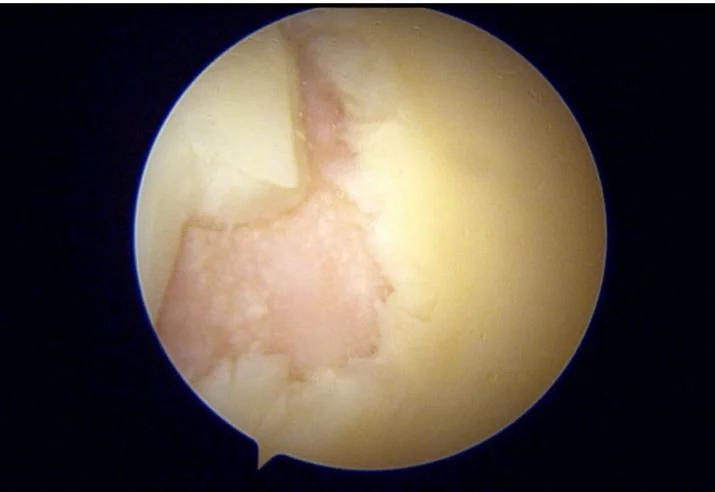
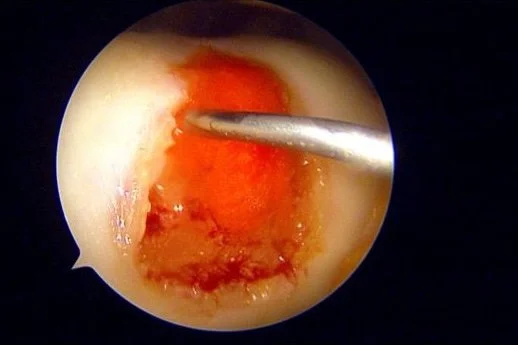
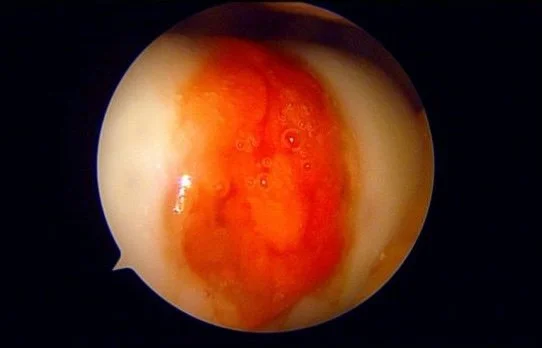
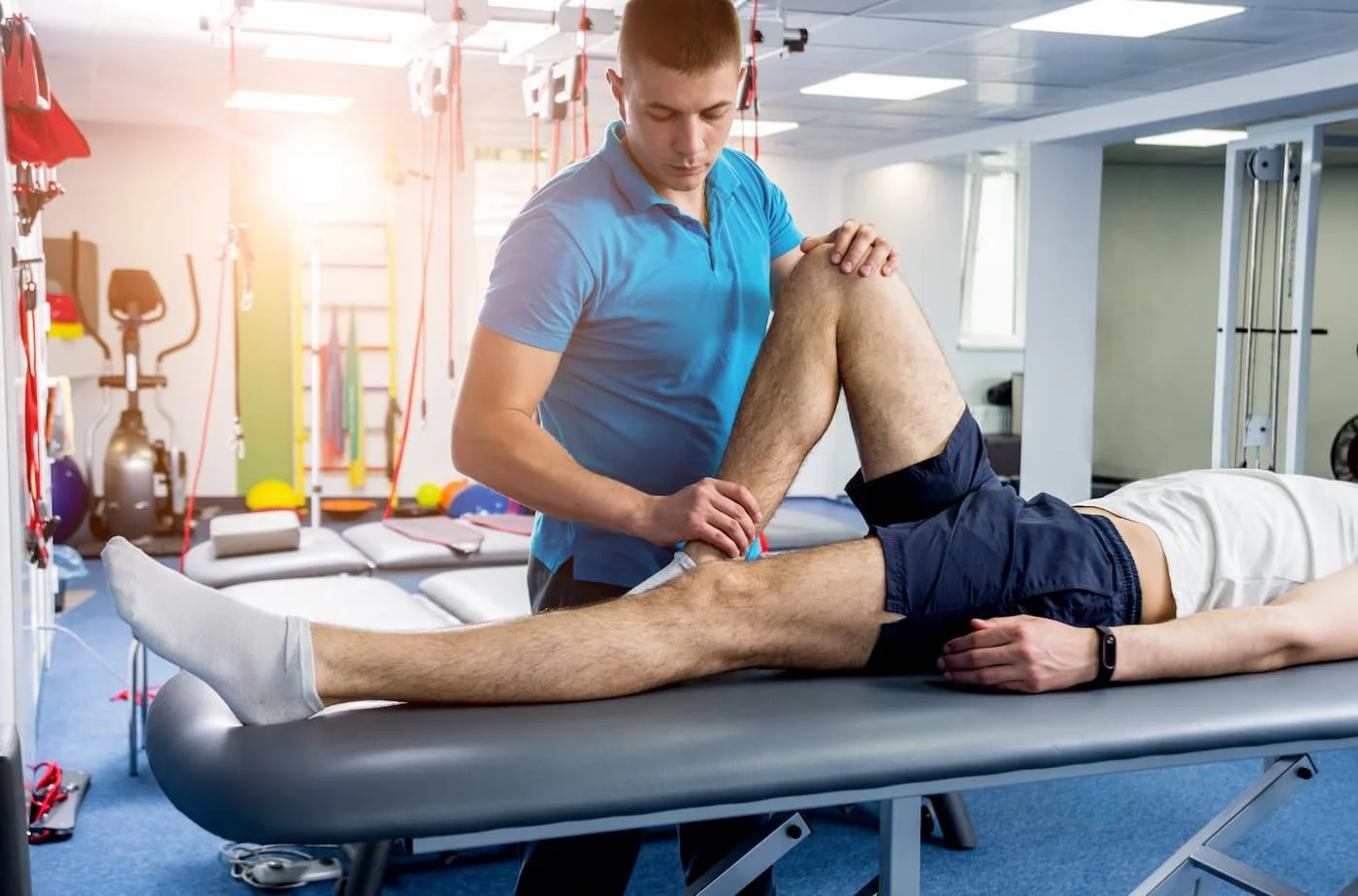
After surgery, a structured physiotherapy program is essential for regaining strength, stability, and movement.
If you’re experiencing recurrent knee joint pain, or limited range of motion of the knee, or having a clicking/locking knee sensation, book an appointment with Beacon Orthopaedics, Singapore.
Early, accurate diagnosis and a structured plan can get you back to work, sport, and daily life with confidence.