
Your recovery is at the heart of what we do.
Dr Bryan Wang
Consultant Orthopaedic Surgeon
Trust Orthopaedic Surgeon | Fellowship-trained in Canada | With over 20-years of experience
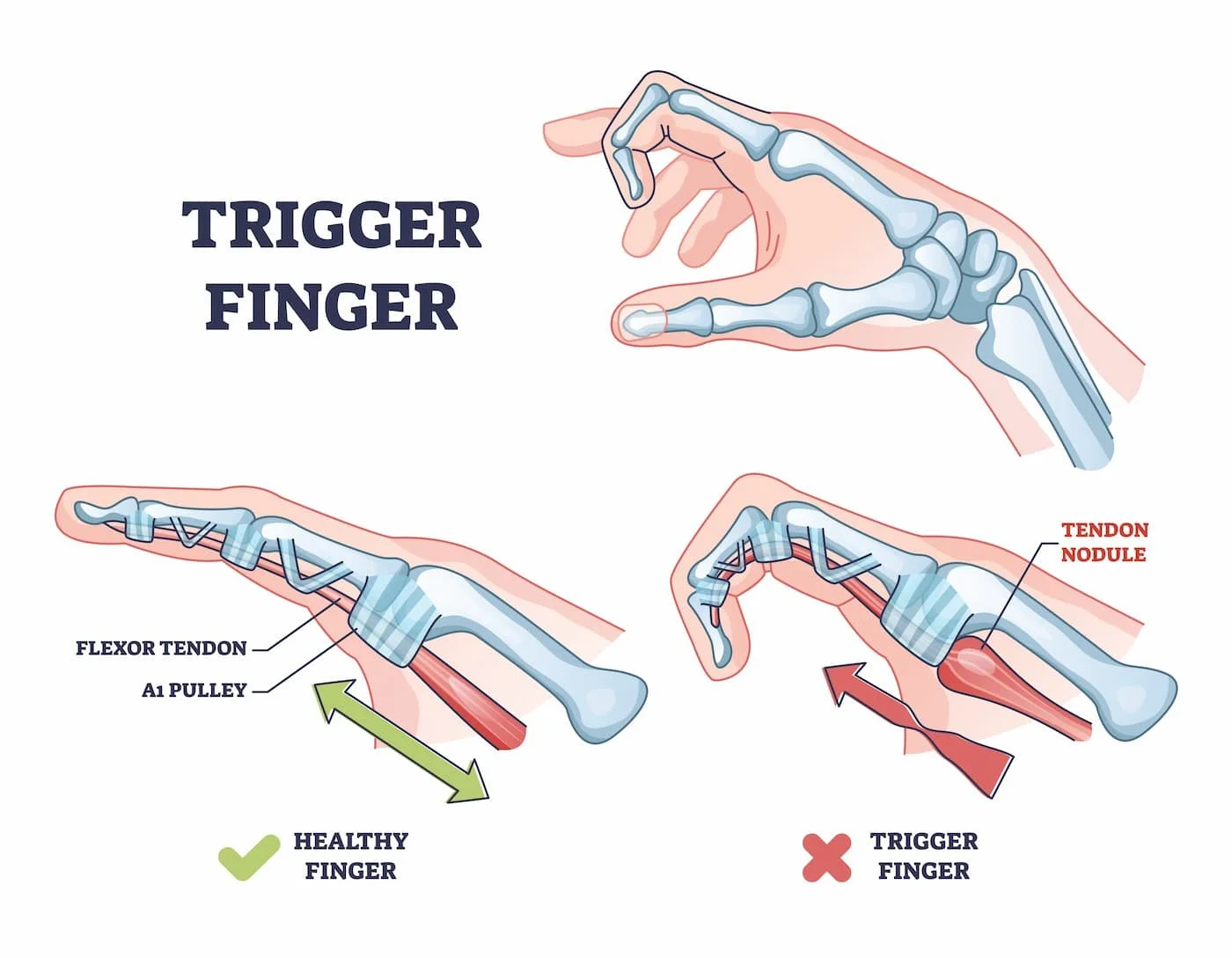
Trigger Finger, also known as stenosing tenosynovitis, is a condition that affects the tendons in your fingers or thumb. It occurs when a tendon becomes inflamed and forms a nodule, causing it to catch or “trigger” as you try to straighten your finger. This can result in pain and restricted finger movement.
Trigger Finger can result from various factors, including:
Common symptoms of Trigger Finger include:
If you suspect Trigger Finger, it’s essential to consult a healthcare professional, often an orthopaedic specialist or hand surgeon. They will conduct a physical examination, review your medical history, and may perform specific tests to assess finger movement and confirm the diagnosis.
If you have any of the symptoms above, it is advisable to see an orthopaedic specialist for further assessment.
The appropriate treatment is decided after assessment and a collaborative discussion based on your needs.
They can be broadly divided into conservative (non-surgical) and surgical options.
To find relief from Trigger Finger and prevent its recurrence, consider these tips:
If conservative treatments don’t alleviate symptoms, a surgical procedure to release the affected tendon may be considered.
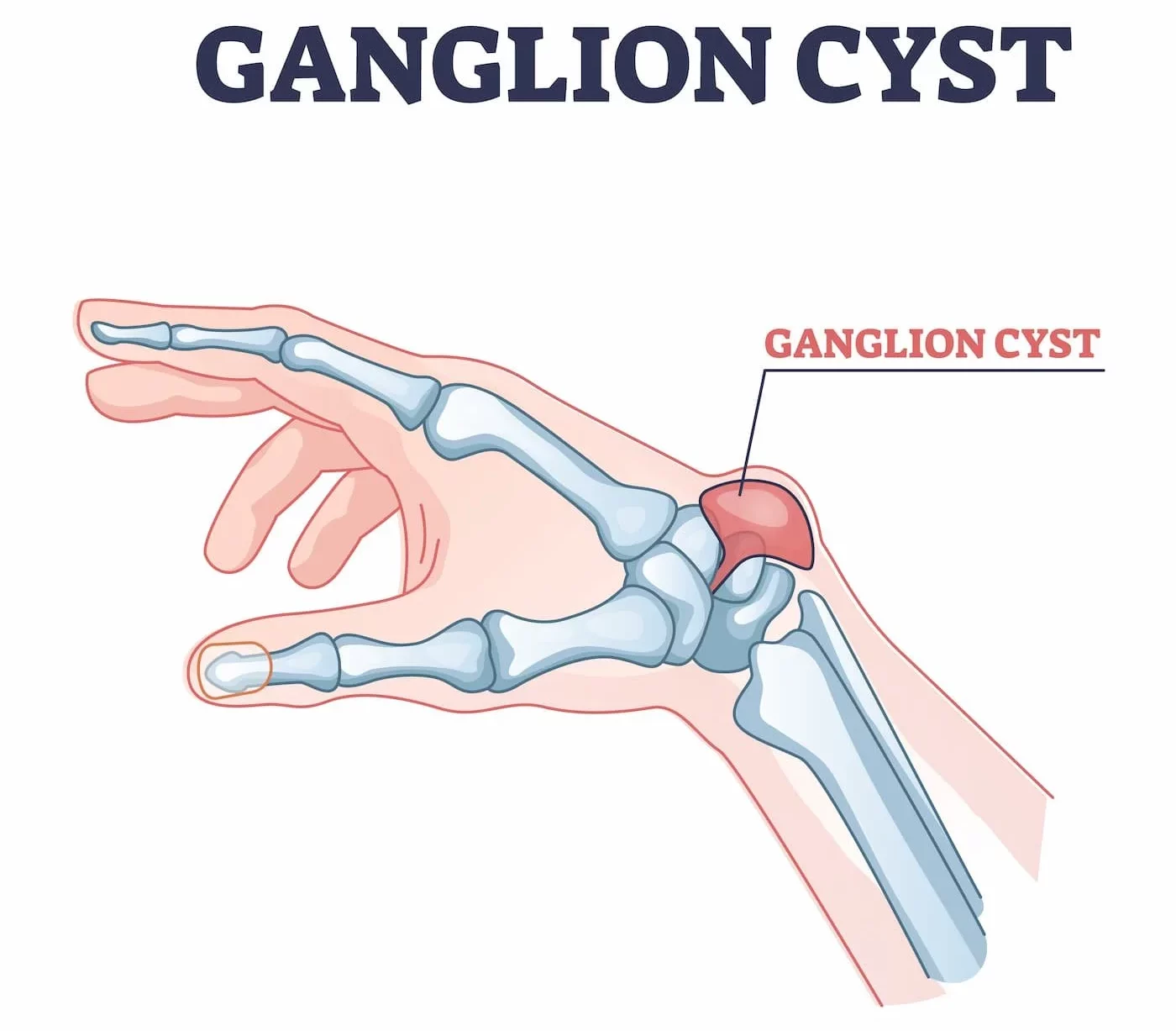
A ganglion is a fluid-filled cyst that often appears as a lump or bump near a joint or tendon. It can occur on the hand, wrist, or foot and may vary in size. While ganglions are generally harmless, they can cause discomfort and restrict movement, leading many to seek treatment.
The exact cause of ganglion formation is not always clear. However, potential contributing factors include:
Common symptoms of a ganglion include:
If you suspect a ganglion, it’s essential to consult a healthcare professional, often an orthopaedic specialist or hand surgeon. They will conduct a physical examination, review your medical history, and may perform imaging tests such as ultrasound or MRI to confirm the diagnosis and assess the extent of the ganglion.
If you have any of the symptoms above, it is advisable to see an orthopaedic specialist for further assessment.
The appropriate treatment is decided after assessment and a collaborative discussion based on your needs.
They can be broadly divided into conservative (non-surgical) and surgical options.
Finding Relief and Preventing Ganglions:
To find relief from ganglions and reduce the risk of recurrence, consider these tips:
In cases where other treatments are ineffective or the ganglion recurs, surgical removal may be considered.
Tendons are strong, flexible bands of tissue that connect muscles to bones, allowing you to move your joints. Hand and wrist tendon injuries can occur due to sudden trauma, overuse, or degenerative changes over time. These injuries can lead to pain, limited movement, and decreased hand and wrist function.
Common Types of Tendon Injuries:
Hand and wrist tendon injuries can result from various factors, including:
Common symptoms of hand and wrist tendon injuries include:
If you suspect a hand or wrist tendon injury, it’s crucial to consult a healthcare professional, often an orthopaedic specialist. They will conduct a physical examination, review your medical history, and may order imaging tests such as ultrasound or MRI to confirm the diagnosis and assess the extent of the injury.
If you have any of the symptoms above, it is advisable to see an orthopaedic specialist for further assessment.
The appropriate treatment is decided after assessment and a collaborative discussion based on your needs.
They can be broadly divided into conservative (non-surgical) and surgical options.
In severe cases, surgical repair or reconstruction of the tendon may be necessary.
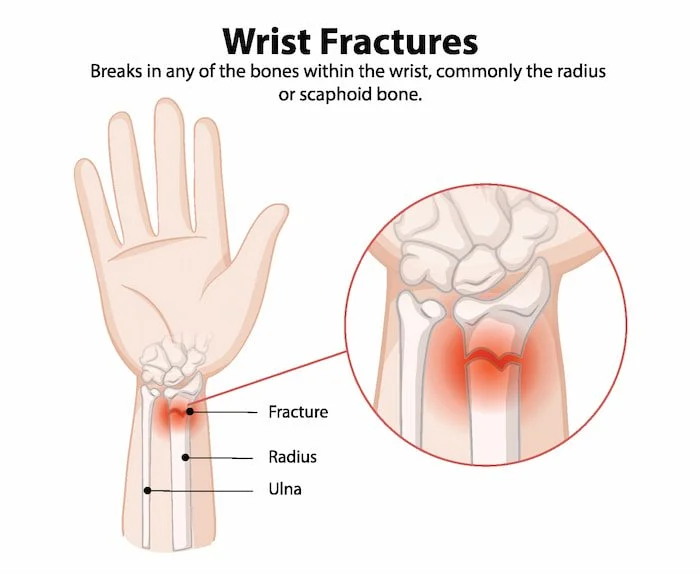
Hand and wrist fractures encompass a range of injuries involving the bones of the hand and wrist. These fractures can occur due to falls, accidents, sports-related impacts, or high-energy trauma. Understanding the type and severity of the fracture is essential for effective treatment and recovery.
Common Types of Hand and Wrist Fractures:
Hand and wrist fractures can result from various factors, including:
Common symptoms of hand and wrist fractures include:
If you suspect a hand or wrist fracture, it’s crucial to consult a healthcare professional, often an orthopaedic specialist. They will conduct a physical examination, review your medical history, and order imaging tests such as X-rays or CT scans to confirm the diagnosis and assess the type and severity of the fracture.
If you have any of the symptoms above, it is advisable to see an orthopaedic specialist for further assessment.
The appropriate treatment is decided after assessment and a collaborative discussion based on your needs.
They can be broadly divided into conservative (non-surgical) and surgical options.
Some fractures, especially those with significant displacement or complex patterns, may require surgical intervention to realign the bones and stabilise them with hardware.
Most patients make an appointment with Dr Bryan when they are experiencing persistent pain, discomfort, limited mobility, or have sustained an injury related to their bones, joints, muscles, or ligaments.
If you are feeling pain and cannot perform everyday activities such as working, playing sports or running, and especially if your pain is chronic and prolonged, it is highly advisable to see Dr Bryan for a detailed diagnosis.
At Beacon Orthopaedics, our consultation fees are charged at S$180 for first visit and subsequent visits at S$120.
During your initial consultation, Dr Bryan will review your medical history, perform a physical examination, and possibly order additional investigation. Dr Bryan will then discuss your diagnosis and treatment options, which may include non-surgical or surgical approaches.
X-rays and MRI scans are necessary if Dr Bryan suspects that you may have a bone or soft tissue injury such as tendons, ligaments, and cartilage. These imaging scans are vital to provide a comprehensive view of your condition. Dr Bryan will then ensure you receive the appropriate diagnostic evaluation for your specific situation.
No, surgery is not always the first option. Dr Bryan often explores conservative treatments such as physiotherapy and splints, whenever possible. Surgery is considered if non-surgical approaches don’t provide relief or if your condition requires surgical intervention for optimal recovery. Regardless of your treatment option, Dr Bryan will be with you every step of the way, and help you get back to what you love doing most.
Yes, please let us know if you have a preferred hospital in mind. Dr Bryan is accredited to operate in all Parkway hospitals such as Gleneagles, Mount Elizabeth Hospital, Mount Elizabeth Novena Hospital, and Parkway East Hospital; Mount Alvernia Hospital and Farrer Park Hospital.